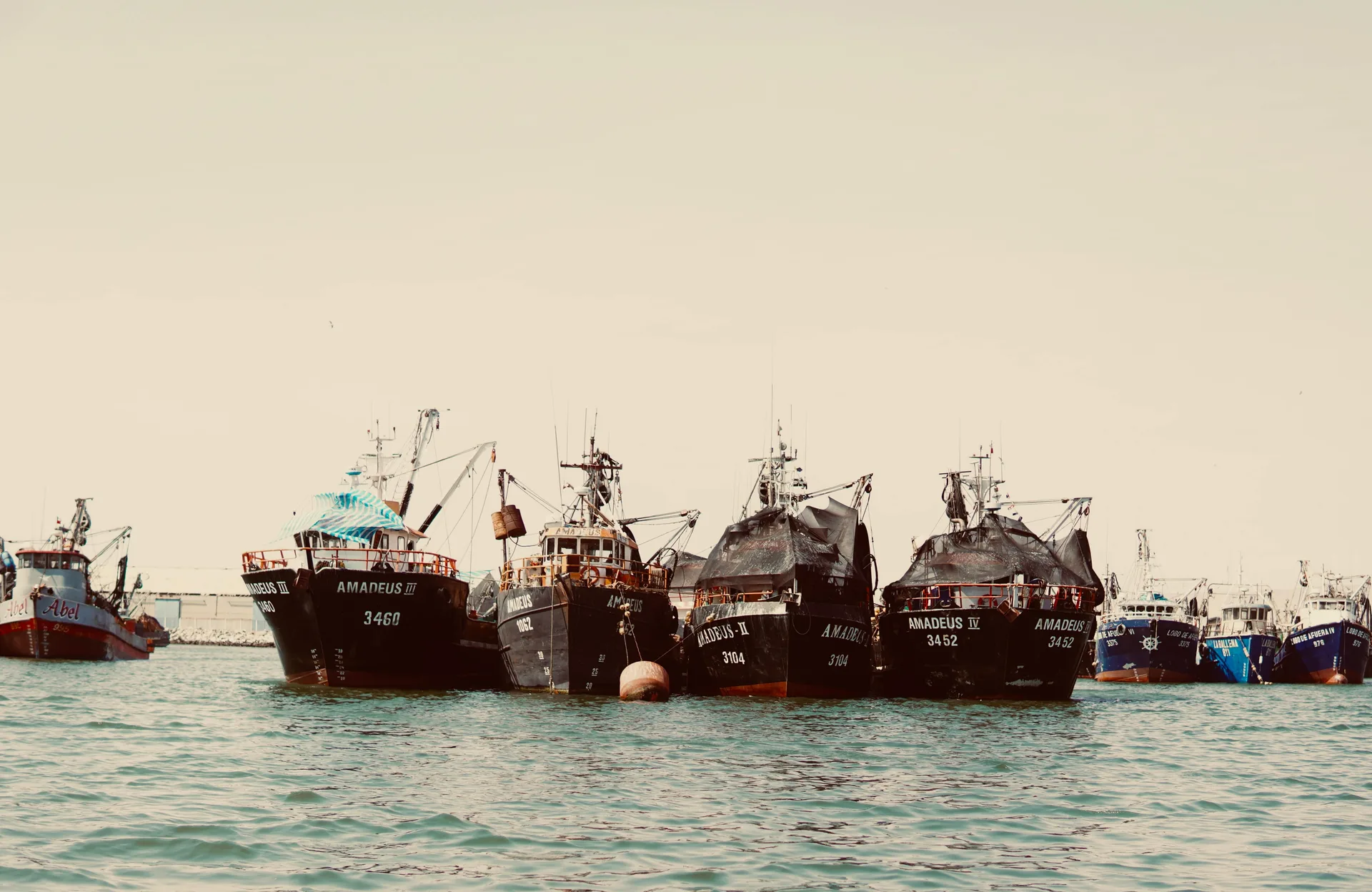
Starlink for Commercial Fishing: How Satellite Connectivity Transforms Fleet Management
Commercial fishing has operated for decades with inadequate communications: VHF radios, slow and expensive satellite phones, and VMS systems that only transmitted position. Starlink Maritime is changing this landscape dramatically, with direct implications for safety, operational efficiency and fleet profitability.
The Communication Challenges of Professional Fishing Fleets
A commercial fishing vessel can spend days or weeks more than 100 miles offshore. During this time, the skipper and crew are virtually isolated from the vessel owner, the market and fishing information systems:
- Weather data: accessing detailed meteorological models (GFS, ECMWF) from offshore was practically impossible with previous systems
- Fishing grounds: oceanographic data (sea surface temperature, currents, chlorophyll concentrations) indicating fish locations updates constantly, but downloading it required data connectivity
- Catch logistics: coordinating port arrival, market availability and real-time pricing was a slow, costly process
- VMS: most Vessel Monitoring Systems transmitted position but didn’t allow quality two-way data communications
- Crew welfare: days or weeks without contacting family or accessing information from home negatively affects morale and crew retention
How Starlink Transforms Each Operational Area
Weather and Ocean Prediction
With Starlink on board, skippers access in real time:
- High-resolution ECMWF and GFS models via apps like PredictWind, Passage Weather or NOAA
- Satellite sea surface temperature (SST) images to locate thermal fronts and productive currents
- Wave height, period and direction data with 7-10 days’ lead time
- Immediate weather alerts from port authorities and coastguard
This information can mean the difference between finding a productive ground and returning empty-handed, or between safe navigation and being caught by a storm.
VMS and AIS Systems
EU regulations (Reg. EC 1224/2009) require fishing vessels over 12 metres to have operational VMS. Starlink enables:
- Continuous VMS transmission without coverage gaps
- Integration with AIS systems for complete fleet visibility
- Automatic submission of the electronic fishing logbook (e-logbook) required under regulations
- Real-time communication with the Fisheries Monitoring Centre (FMC)
Catch Management and Logistics
One of the most valued applications by vessel owners is improved logistics management:
- Real-time market prices: access to prices at different ports to optimise where to land catch
- Direct communication with buyers: direct contact with processors, wholesalers and exporters
- Port call planning: coordinating fuel, ice, supplies and crew at the destination port before arrival
- Digital catch reporting: transmitting catch data to vessel owner and the Authority in real time
Crew Welfare
A frequently underestimated factor with real impact on staff retention:
- Daily video calls with family
- News, entertainment, social media access
- Administrative and banking tasks from the vessel
- Reduction of stress associated with prolonged isolation
Several UK and Irish fishing vessel owners who have installed Starlink report improvements in crew satisfaction and reduced staff turnover.
Case Study: Pelagic Fleet in the North Atlantic
A vessel owner with 3 pelagic trawlers operating between the UK, Irish and Norwegian waters installed Starlink Maritime across the fleet in mid-2024. Results after six months:
Quantifiable improvements:
- 15% reduction in steaming time (better shoal location information)
- Estimated 10% fuel saving through weather routing optimisation
- Elimination of VMS compliance issues due to coverage gaps (2 incidents/year → 0)
- 25% reduction in satellite phone roaming charges
Qualitative improvements:
- Improved crew satisfaction (internal surveys)
- Vessel owner with real-time full fleet visibility
- Significantly more agile logistics coordination with market and buyers
Investment cost (per vessel):
- Hardware:
- Professional installation:
- Monthly subscription: /month
Estimated ROI: initial investment recovery in 10-14 months through fuel savings, reduced communications costs and improved catch valuation through better market information access.
Regulatory Requirements for Fishing Vessels
UK and EU regulations require professional fishing vessels to carry:
- VMS: mandatory for vessels >12m LOA. Must transmit position at minimum every 2 hours
- Class B AIS: mandatory requirements vary by zone and vessel type
- Electronic Fishing Logbook (ERS/e-logbook): mandatory for vessels >10m in EU waters
- GMDSS: emergency communication equipment according to navigation area (A1, A2, A3)
Starlink does not replace GMDSS (VHF radio, EPIRB, SART remain mandatory), but dramatically improves the vessel’s operational and welfare capabilities.
Installation on Fishing Vessels: Specific Considerations
Fishing vessels have different installation requirements compared to leisure craft:
- Vibration: commercial vessel diesel engines generate more vibration than leisure boats. Installation must include appropriate dampening systems
- Restricted spaces: fishing vessels have less living space. Router and cable placement requires careful planning
- Aggressive salt environment: fishing vessel decks are constantly exposed to seawater. Cables must be properly protected
- Electrical system: fishing vessels have complex electrical systems with multiple circuits. Installation must integrate without interfering with fishing equipment
Our installation team has specific experience in professional fishing vessel installations and manages all these aspects during the installation process.
Frequently Asked Questions
Does Starlink meet the VMS requirements of EU/UK fishing regulations?
Starlink itself is not an approved VMS system. However, it can integrate with certified VMS systems (such as those by Iridium or INMARSAT C) to improve their connectivity, or be used alongside VMS solutions that operate over IP. Contact InternetenelMar to discuss the most suitable solution for your vessel.
Does Starlink work in the North Sea, Irish Sea and Norwegian waters?
Yes. Starlink coverage covers all these areas completely. The North Sea, Irish Sea, North Atlantic and Norwegian coastal waters have full coverage without restrictions.
Can I use Starlink for the electronic fishing logbook (ERS)?
Starlink provides the connectivity needed to operate ERS software. Software installation and approval depends on the specific ERS solution. We can advise on integration options.
What if Starlink fails offshore?
For critical operations, it’s recommended to maintain an independent emergency communication system (EPIRB, VHF radio, Iridium). Starlink has very high reliability, but no single system is infallible. Our 24/7 support can resolve most issues remotely.
Do you have a fishing fleet and want to assess whether Starlink is cost-effective for your specific operation? Request a free analysis with your fleet details.